Federal Tax Credit
November 29, 2022
Demand for Spray Foam Insulation Surges as Builders Focus on Energy Savings and Building Performance
The spray foam insulation industry continues to experience significant growth as homeowners, builders, and commercial property owners seek advanced solutions to improve energy efficiency, indoor comfort, and long-term building performance. With rising energy costs and increasing emphasis on sustainable construction practices, spray foam insulation remains one of the most effective insulation technologies available today.
Industry experts report growing demand for both residential and commercial spray foam applications, particularly in new construction, metal buildings, agricultural facilities, and retrofit projects. Contractors are increasingly turning to professional spray foam equipment and advanced insulation systems to meet customer expectations for superior thermal performance and air sealing.
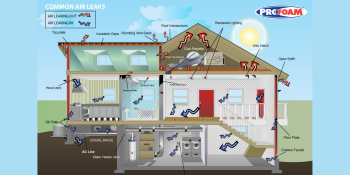
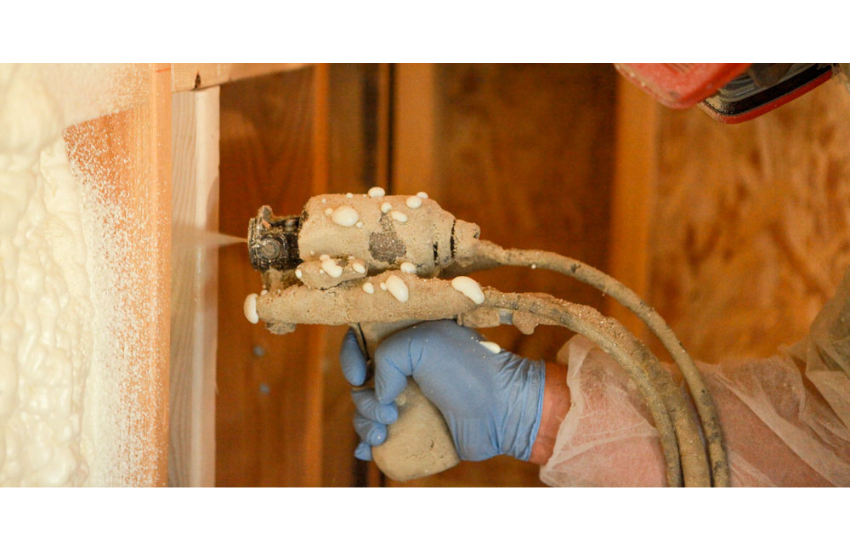
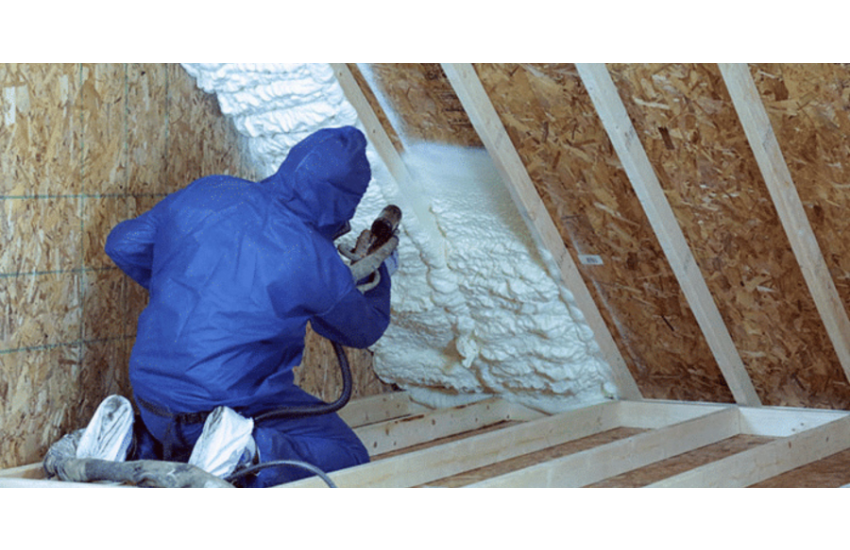
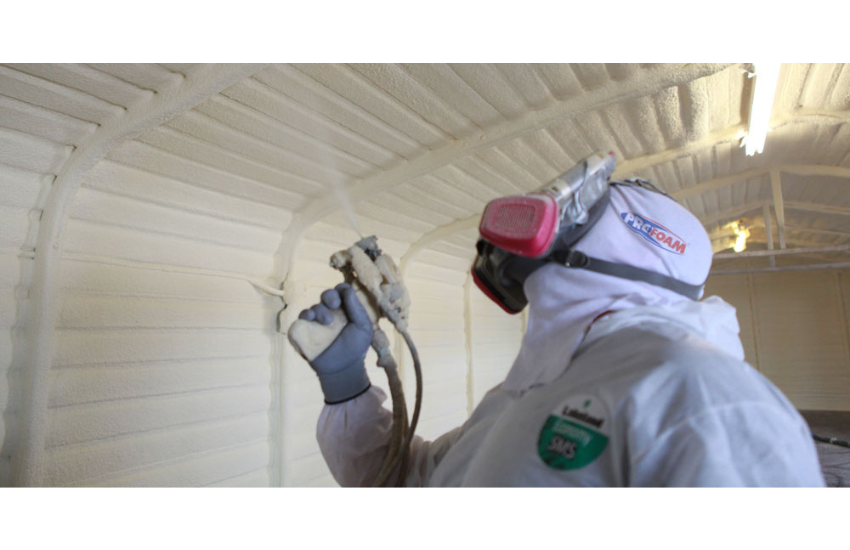
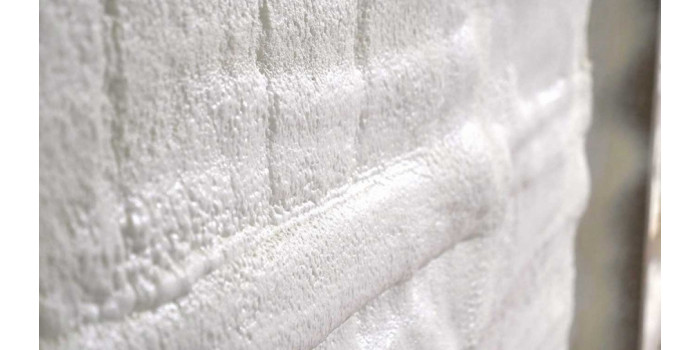
Unlike traditional insulation materials, spray foam insulation expands upon application to fill cracks, gaps, and hard-to-reach areas. This creates a seamless air barrier that helps reduce energy loss and improve HVAC efficiency throughout the structure.
Key benefits of spray foam insulation include:
As building codes continue to evolve and energy performance standards become more stringent, spray foam insulation is becoming a preferred solution for contractors and building owners seeking maximum efficiency.
Commercial construction projects are increasingly utilizing spray polyurethane foam (SPF) for insulation and roofing applications. Warehouses, manufacturing facilities, storage buildings, schools, and healthcare facilities are adopting spray foam solutions to reduce operational costs and improve building performance.
The demand for spray foam roofing systems has also expanded as facility managers seek durable, energy-saving roofing solutions that provide superior weather resistance and long-term protection.
Industry analysts predict continued growth in SPF roofing and insulation markets over the next several years as businesses prioritize energy conservation and sustainability initiatives.
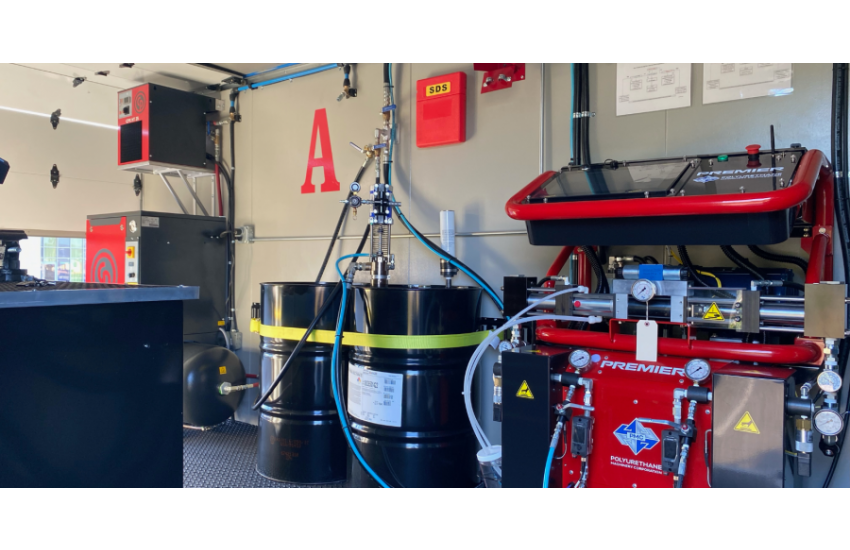
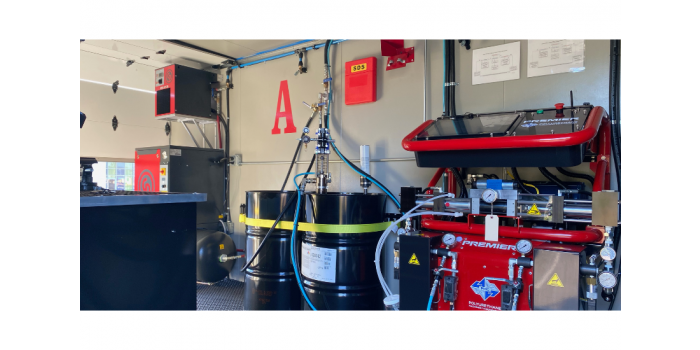
Modern spray foam equipment has become more efficient, reliable, and user-friendly than ever before. Advanced proportioners, heated hoses, spray guns, and transfer pump systems help contractors achieve consistent material performance while maximizing productivity on the jobsite.
Equipment manufacturers continue to introduce innovations designed to improve spraying accuracy, reduce downtime, and streamline maintenance. These advancements allow contractors to complete projects faster while maintaining high-quality application standards.
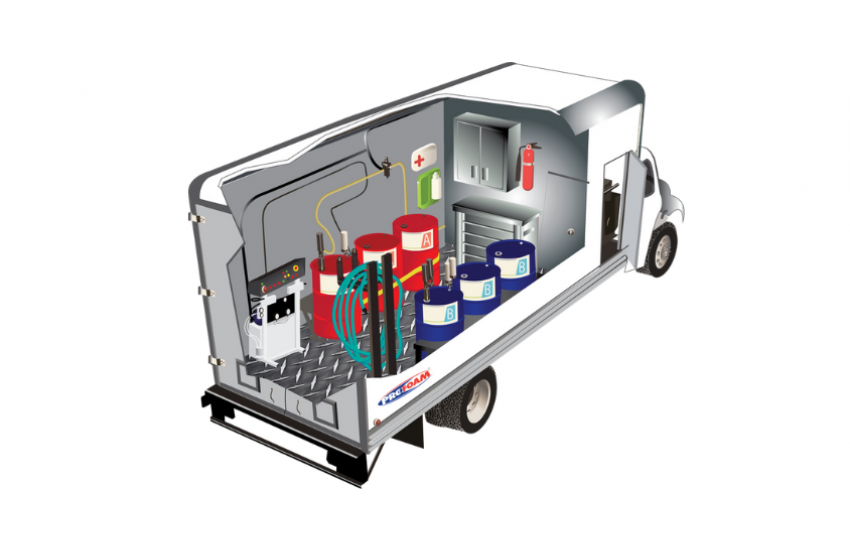
Contractors investing in professional-grade spray foam rigs and equipment are better positioned to meet increasing market demand and deliver superior results for customers.
As the spray foam industry grows, proper training remains essential for contractors entering the market. Industry professionals emphasize the importance of understanding spray techniques, equipment maintenance, substrate preparation, safety procedures, and quality control practices.
Hands-on training programs help contractors improve installation consistency, troubleshoot equipment issues, and stay current with industry best practices. Ongoing education also ensures compliance with evolving building codes and application standards.
The future of the spray foam insulation industry remains strong as energy efficiency continues to be a primary focus across residential, commercial, and industrial construction sectors. Growing awareness of building performance, sustainability goals, and long-term energy savings is expected to drive continued adoption of spray foam insulation solutions.
With technological advancements, expanding applications, and increased contractor training opportunities, spray foam insulation is positioned to remain a leading choice for high-performance building envelopes throughout North America.
Spray foam insulation is a polyurethane-based insulation material applied as a liquid that expands into a rigid foam. It is widely used in residential, commercial, agricultural, and industrial construction projects to provide superior insulation, air sealing, and moisture control. Its ability to create a continuous thermal barrier makes it one of the most effective insulation solutions available in today's construction industry.

November 29, 2022
October 1, 2026

September 9, 2026

August 3, 2026