
Federal Tax Credit
November 29, 2022
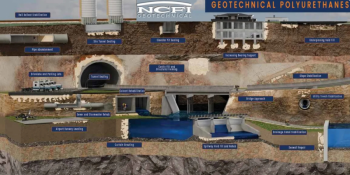
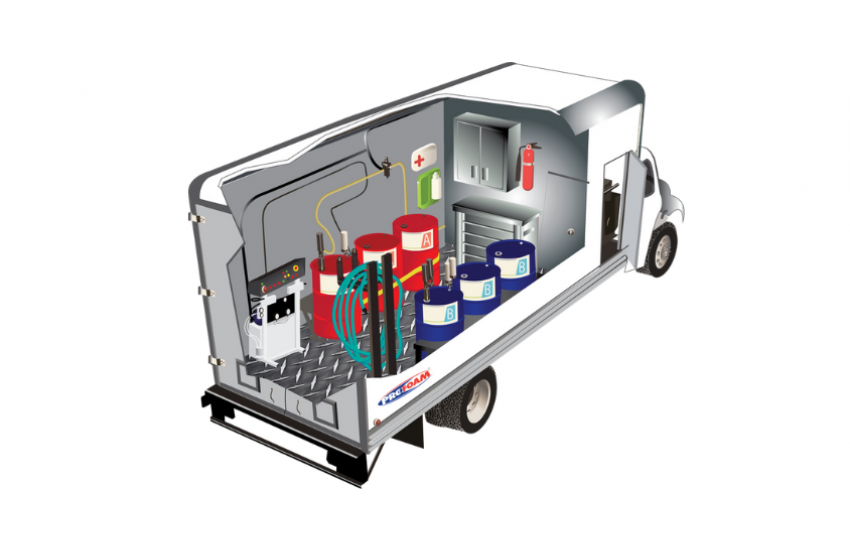
Polyurethane injection is an excellent way to manage soil conditions. It can address void development, increase soil density and load bearing capacity, and help mitigate ongoing soil movement or erosion. Some formulas can even be used in wet or saturated conditions, making polyurethane injection adaptable to a wide range of underground challenges contractors may face. Because soil conditions directly impact surrounding structures, polyurethane injection is often used to support and enhance other construction and repair services rather than replace them. Because of the effects soil conditions can have on other structures, using this product can complement a multitude of other repair methods, including:
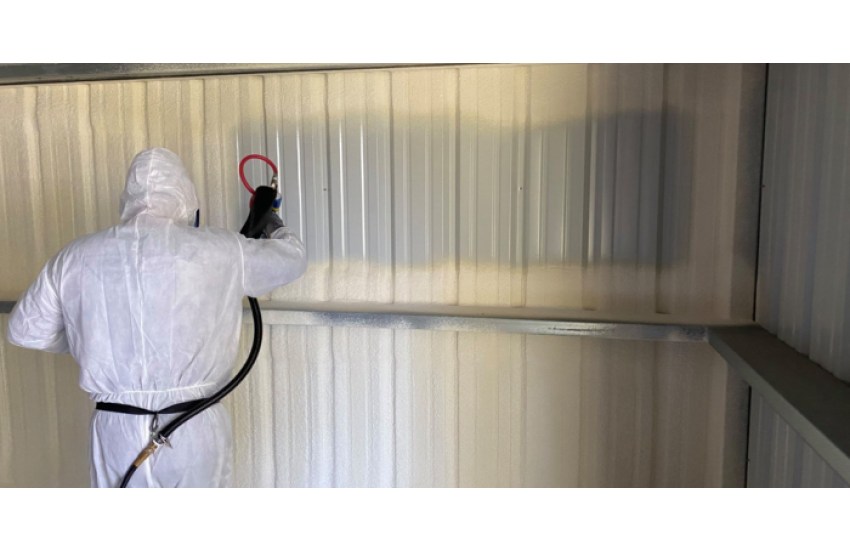
Because basements are underground, they have their fair share of challenges to cope with, like groundwater presence and the pressure of soil against walls. When used as part of a broader basement repair strategy, polyurethane injection for basement sealing and soil stabilization can complement:
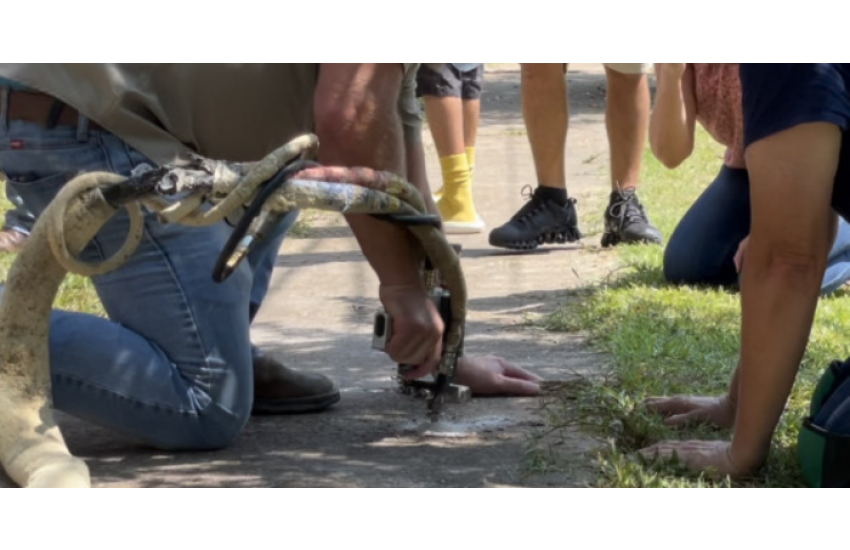
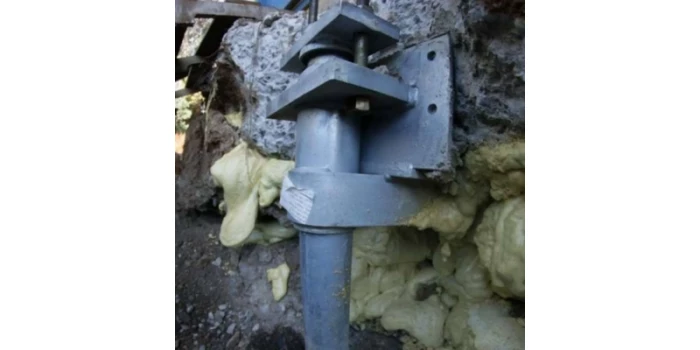
Foundation repair can offer structural support that homes need. Due to the variety of soil conditions in differing geological areas, polyurethane injection works well with foundation repair service offerings. Polyurethane injection may be used on its own for foundation lifting in some cases, but it can also support foundation pier installation by stabilizing surrounding soils and increasing load-bearing capacity. Additional ways polyurethane injection can support foundation repair services include:
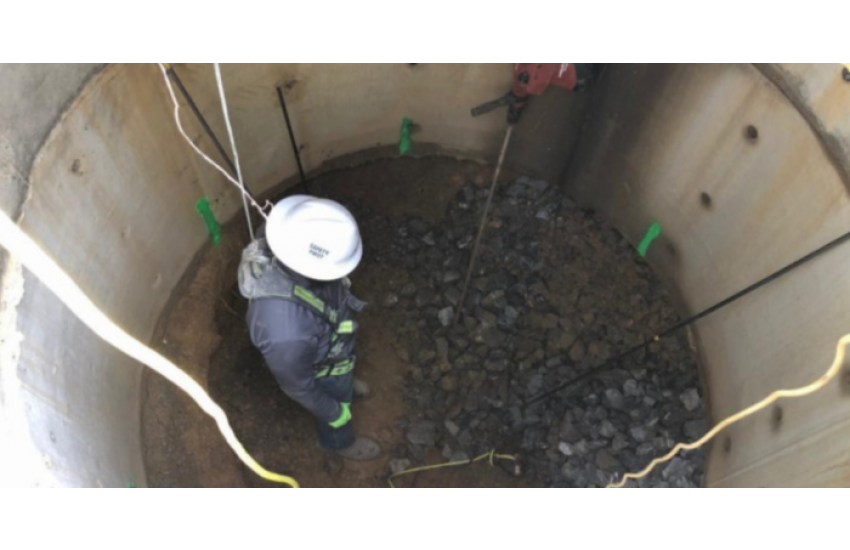
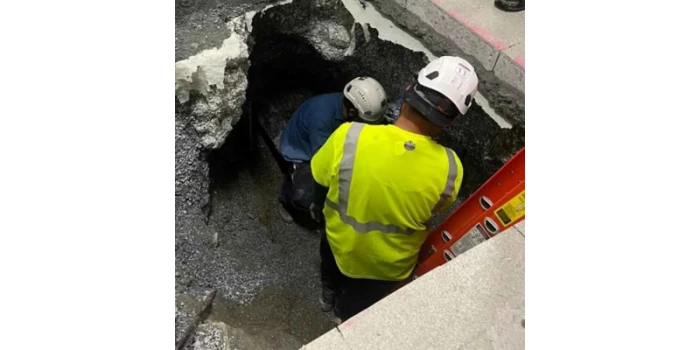
Polyurethane injection works very well as a method of infrastructure repair, especially for essential structures tucked underground, such as culverts, tunnels, lateral lines, manholes, and more. Because infrastructure repair often requires multifaceted solutions, polyurethane injection is frequently used alongside other services to stabilize soils, fill voids, or control water intrusion. Polyurethane for infrastructure pairs well with these services:
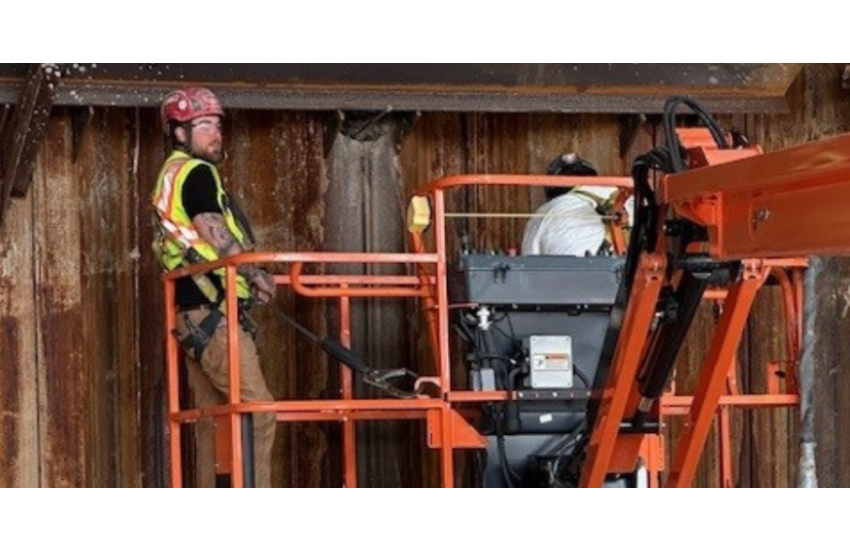
Polyurethane is typically known for its minimally invasive nature, requiring no excavation during its application. However, polyurethane can work well in conjunction with excavation services. During projects where excavation is required and the soil continues to fall, impeding the progress of the project, polyurethane can be used to stop soil movement. In situations where excavation exposes unstable or migrating soils that impede progress or compromise safety, polyurethane injection can be used to stabilize conditions and keep work moving forward. It can be used to assist in:
Ground improvement services focus on enhancing weak or unstable soils to increase strength, load-bearing capacity, and overall stability prior to or during construction. These services are commonly used to reduce settlement, improve soil performance, and address challenging subsurface conditions in a cost-effective manner. In practice, ground improvement efforts are often aimed at increasing soil density, improving load transfer, mitigating long-term settlement or differential movement, stabilizing soft or loose soils, and addressing issues related to voids, erosion, or groundwater influence. Here's how geotechnical polyurethane injection can support ground improvement efforts:

November 29, 2022
October 1, 2026

September 9, 2026

August 3, 2026