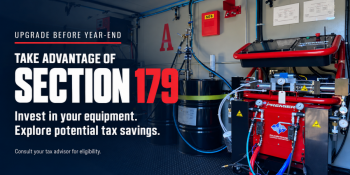

Federal Tax Credit
November 29, 2022
As temperatures begin to drop, spray foam contractors face new challenges on the jobsite. Cold weather can affect chemical temperatures, equipment performance, application quality, and overall job productivity.
For professional spray foam contractors, preparing your spray foam rig for winter isn't just about staying warm. It's about protecting your equipment investment, preventing unnecessary downtime, maintaining consistent application quality, and keeping your business profitable throughout the colder months.
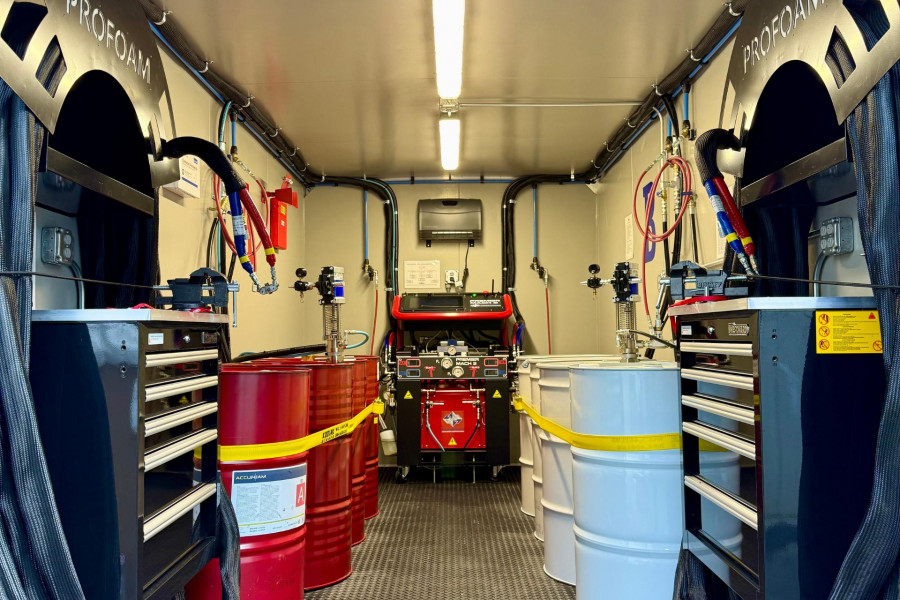
Whether you're an experienced spray foam applicator or just getting started in the industry, here are seven important ways to prepare your spray foam equipment for winter.
One of the biggest challenges of cold-weather spray foam application is maintaining proper chemical temperatures.
When temperatures drop, spray foam chemicals can become thicker, making it more difficult for your equipment to properly process and mix the material.
Contractors should:
Proper chemical conditioning helps support consistent spray patterns, proper mixing, and quality foam performance.
Your rig's heating system plays an important role in maintaining a productive winter spray season.
Before temperatures get too cold, inspect your heating equipment to make sure everything is operating properly.
Check:
A properly maintained heating system can help prevent cold-weather equipment issues and unnecessary jobsite delays.
Spray hoses are another important part of your spray foam equipment setup.
Cold temperatures can make it more difficult to maintain consistent material temperatures throughout the hose. Inspect hose insulation, electrical connections, and temperature controls before heading into winter projects.
Pay attention to damaged insulation, worn connections, and inconsistent heating.
Proper hose maintenance helps protect your equipment and supports reliable spray performance.
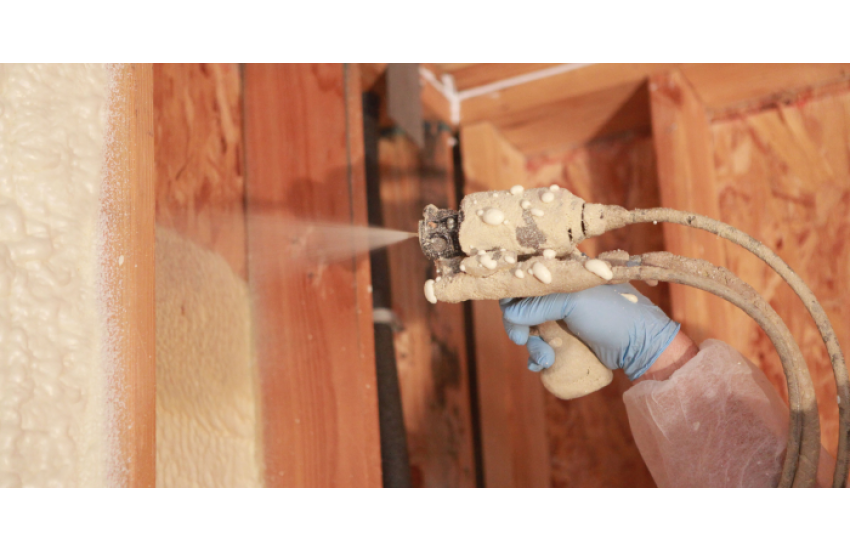
Winter is a great time to give your spray gun and proportioner some extra attention.
Worn seals, damaged components, clogged filters, and improper maintenance can create problems that lead to downtime and expensive repairs.
Before your next project:
Keeping your equipment clean and properly maintained can help prevent unexpected breakdowns when you need your rig most.
Cold-weather applications require additional planning.
Contractors should evaluate ambient temperature, substrate temperature, moisture, humidity, and other environmental conditions before beginning an application.
Cold substrates and improper environmental conditions can affect foam adhesion, curing, yield, and overall application quality.
Always follow the specific spray foam manufacturer's technical data sheet and application guidelines. When necessary, condition the work area and substrate before spraying.
Taking the time to prepare the jobsite can help reduce costly application problems and callbacks.
Nothing slows down a spray foam contractor faster than an unexpected equipment problem and not having the parts needed to fix it.
Before winter arrives, take inventory of your most commonly used spray foam equipment parts and supplies.
Consider keeping extra:
Having the right parts available can help keep your crew working instead of waiting on repairs.
Winter can also be an excellent opportunity to evaluate your equipment, improve your skills, and prepare your business for the upcoming busy season.
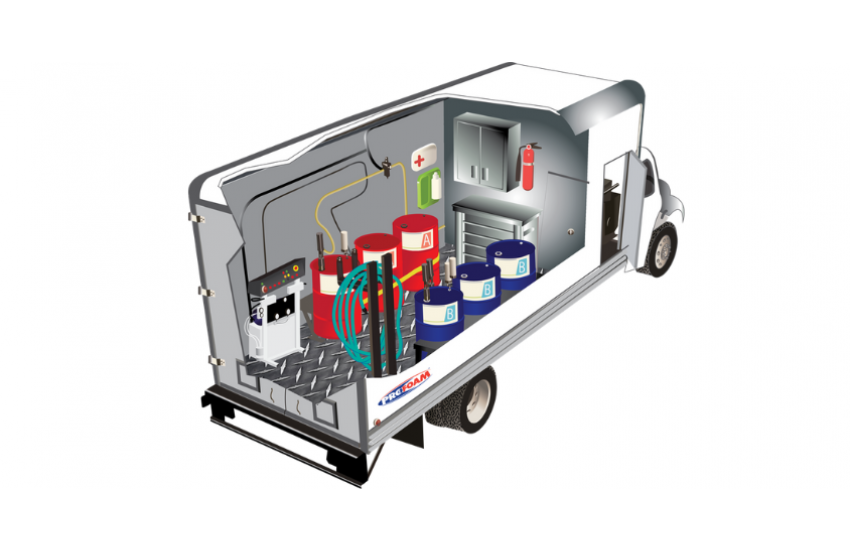
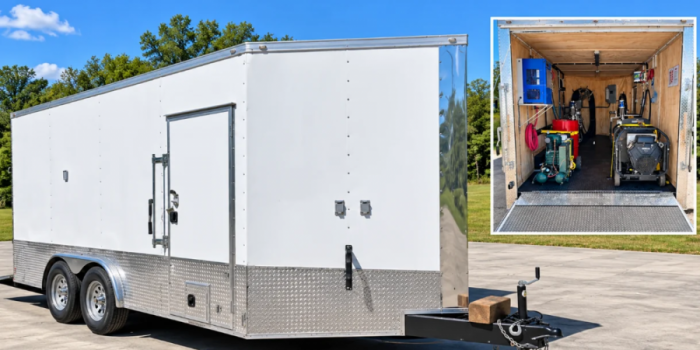
Consider whether your current spray foam rig meets your production needs. If your business is growing, it may be time to explore upgrading your equipment or investing in a custom spray foam rig.
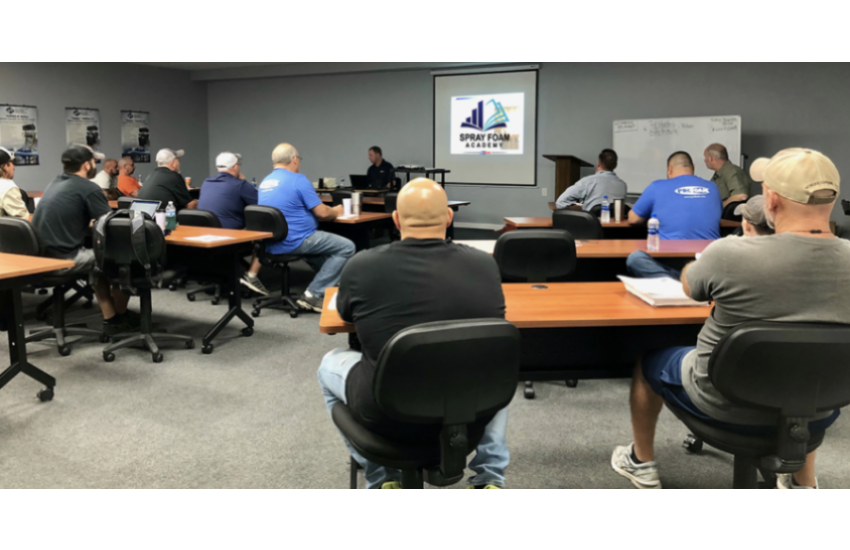
It's also a great time to sharpen your technical knowledge through professional spray foam training.
The right equipment, knowledge, and preparation can make a significant difference in your business's long-term success.
Cold weather doesn't have to mean lost productivity. With proper preparation, equipment maintenance, and attention to application conditions, spray foam contractors can keep their businesses moving throughout the winter season.
At Profoam, we're committed to helping contractors succeed with quality spray foam equipment, parts, service, and professional training.
Whether you're looking for a new spray foam rig, replacement parts, equipment support, or training to grow your business, Profoam is here to help.
Ready to take your spray foam business to the next level?
Profoam – Helping Spray Foam Contractors Build Better Businesses.

November 29, 2022

November 2, 2026
October 1, 2026

September 9, 2026